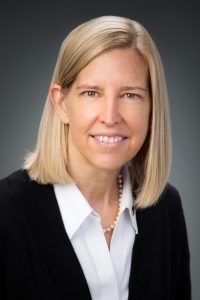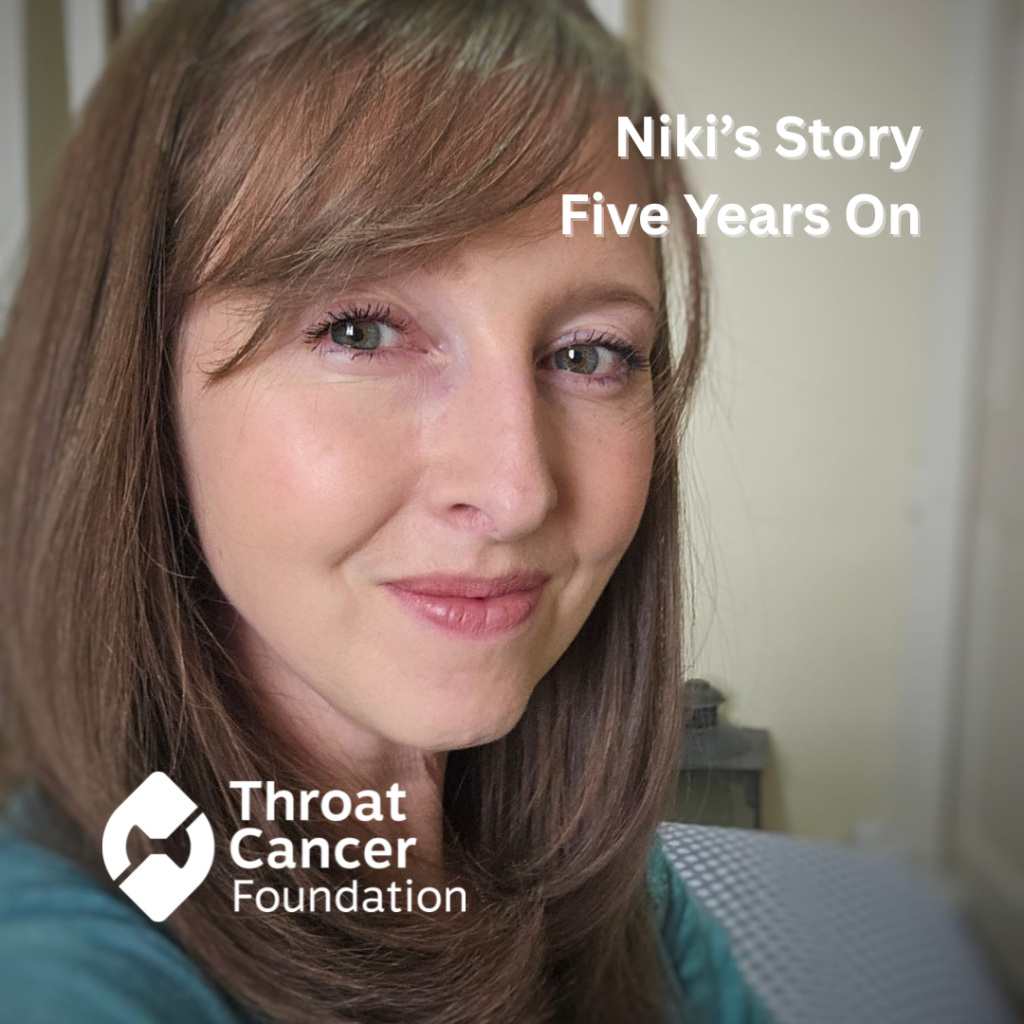
In spring 2021, I shared my story with the Throat Cancer Foundation (see original here). I’d been diagnosed in September 2020 with T3 hypopharyngeal squamous cell carcinoma (advanced throat cancer), during the height of the pandemic. After six intense weeks of inpatient chemoradiotherapy, I was told there was no evidence of disease.
Back then, I felt positive and hopeful — but I was still trying to make sense of what had happened, and what life after treatment might look like. Now, five years on, a few lessons stand out far more clearly than they did at the time.
Looking back to 2020
My journey began with a sore throat that lasted longer than it should, a lump that felt increasingly wrong, and diagnostic delays made worse by the early pandemic. When my concerns were finally properly investigated in July 2020, everything accelerated.
My original story described how frightening, isolating, and exhausting that time was — and what it was like returning home to worsening side effects. I had to relearn the basics: eating, drinking, and trusting my own body again. Recovery was slow. But it was also the start of something transformative.
Reflection 1: Timely, accessible care matters
The clearest lesson from my experience is how critical time is with cancer — and how easily access can be disrupted.
Living in rural Scotland shaped almost every part of my care. Even before diagnosis, it took multiple appointments and persistence to reach the right tests. Treatment meant being an inpatient. And afterwards, every follow-up involved hours of travel. A fifteen-minute review in the city could swallow a full day — and bring extra costs on top.
Geography should never be a barrier to early detection or high-quality care, but too often it is. We need better awareness in primary care, clearer early referral pathways, and stronger diagnostic services outside major cities. With cancer, delays don’t just feel frustrating. They matter.
Reflection 2: Whole-person care isn’t a “nice to have”
Having treatment during the pandemic meant many of the usual supports simply didn’t exist. No visitors. No leaving the hospital. No comforting routines. I did everything I could to stay steady in an unfamiliar environment — and I often felt I was being seen through the narrow lens of “anxious”, rather than as a person trying to cope.
That experience made something very clear: compassionate, holistic care isn’t optional. People need more than treatment. They need reassurance, dignity, comfort, connection — and to feel seen as a whole person, with needs and preferences that matter.
Reflection 3: Cancer changed how I live
The most unexpected lesson has been how cancer altered my relationship with life itself.
In the years since treatment, I’ve become more present. I savour ordinary routines. I worry less about trivial things and stresses beyond my control that used to consume my time. I’m more deliberate about where I spend my energy — the work I take on, and the people I give my time to.
I relate strongly to the idea of post-traumatic growth. Cancer stripped life back to essentials. It reminded me of my resilience, revealed strengths I didn’t know I had, and deepened my gratitude for simple joys. Cancer didn’t just change my life. It changed how I live it.
Five years on
In November 2025, after years of scans and reviews, I was officially discharged. I still live with some side effects — a dry mouth, tinnitus — but they’re manageable, and a small price to pay.
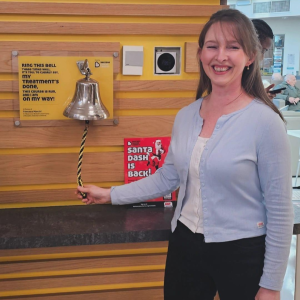
For the first time, I returned to the Cancer Centre and rang the bell. It stood in a busy foyer near the cafeteria. As it chimed, people paused. Staff smiled. Patients applauded. A warm ripple of encouragement moved through the space.
It was a symbolic moment — public acknowledgement of a very personal battle — and it brought my journey full circle.
What I carry forward
This experience taught me lessons that still guide how I live:
- Early detection saves lives — and everyone deserves timely access to care.
- Whole-person support is every bit as important as clinical treatment.
- Healing isn’t only physical — it can bring strength, gratitude, and purpose.
There’s a quote I hold close: only a small part of cancer is about medicine. Most of it is about feelings, identity, and finding strength you didn’t know you had.
And I’ve learned this too: life after cancer isn’t just possible. It can be meaningful.
Niki
Know the signs. Trust your instincts. If something in your mouth or throat isn’t right and doesn’t settle, push to be checked. Share this so more people spot problems early. #BeThroatCancerAware